
Choosing between WordPress and custom development is one of the most important website decisions a growing business can make. The answer shapes budget, launch speed, editing flexibility, technical complexity, and the way the website supports future growth. Many teams approach the question too simplistically. WordPress is treated as the “easy” option, while custom development is treated as the “serious” option. In reality, the better choice depends on what the business actually needs now, how much complexity it truly requires, and what kind of internal or external support will exist after launch.
For many growing businesses, the real decision is not about status. It is about fit. A website should support lead generation, brand clarity, content updates, and operational efficiency without creating avoidable technical burden. Sometimes WordPress is the strongest answer because it balances speed, flexibility, and editorial control well. In other cases, custom development becomes the better route because the product, workflow, or platform logic is too specific for a conventional CMS setup. Businesses that evaluate the decision carefully usually get better long-term outcomes because they choose based on business requirements, not developer preference or trend bias. That mindset is closely aligned with how a strong web design agency approaches website planning in the first place.

Why this decision matters so much
The website platform affects more than the launch build. It affects how fast your team can publish content, how easily pages can evolve, how expensive changes become, and how well the site stays aligned with marketing and growth needs over time. A platform that looks fine during scoping can become frustrating later if it slows down content operations, complicates integrations, or requires too much engineering for ordinary updates.
That is why growing businesses should evaluate platform choice through commercial realities, not just technical elegance. The question is not “Which option is more impressive?” It is “Which option best supports our business model, current stage, and future direction?” Teams that already think seriously about website content planning for service brands usually make better platform decisions because they understand how content, conversion, and operations will interact after launch.
What WordPress is strongest at
| WordPress strength | Why it matters | Best fit |
|---|---|---|
| Fast launch potential | Reduces time to value | Businesses that need speed |
| Content editing flexibility | Makes updates easier | Marketing-led teams |
| Large ecosystem | Speeds up common needs | Standard service websites |
| SEO friendliness | Supports content growth | Search-driven acquisition |
| Lower initial complexity | Reduces engineering burden | Small to mid-sized teams |
| Scalable enough for many businesses | Avoids overbuilding | Most service brands |

1. WordPress is often the best choice when marketing agility matters
If your team needs to publish landing pages, update service sections, launch articles, improve internal linking, refine CTAs, and evolve the site regularly, WordPress is often an excellent fit. It gives non-developers more control and usually shortens the distance between decision and implementation. For businesses that rely on SEO, content publishing, and constant refinement, that agility has real business value.
This is especially true for service brands where the website is closely tied to content operations, trust-building, and lead generation rather than to highly specialized application behavior.
2. WordPress reduces unnecessary complexity for many service businesses
Many growing businesses assume custom development is automatically more scalable or more serious. Sometimes it is. But often it simply adds complexity that the business does not yet need. If the primary goal is to create a strong marketing site with clear service pages, content publishing, lead capture, SEO support, and moderate integrations, WordPress can do that very well without the cost of a fully bespoke build.
Businesses sometimes discover that what they really needed was better structure, better messaging, and better conversion thinking, not a custom stack.
What custom development is strongest at
3. Custom development makes sense when the business logic is truly unique
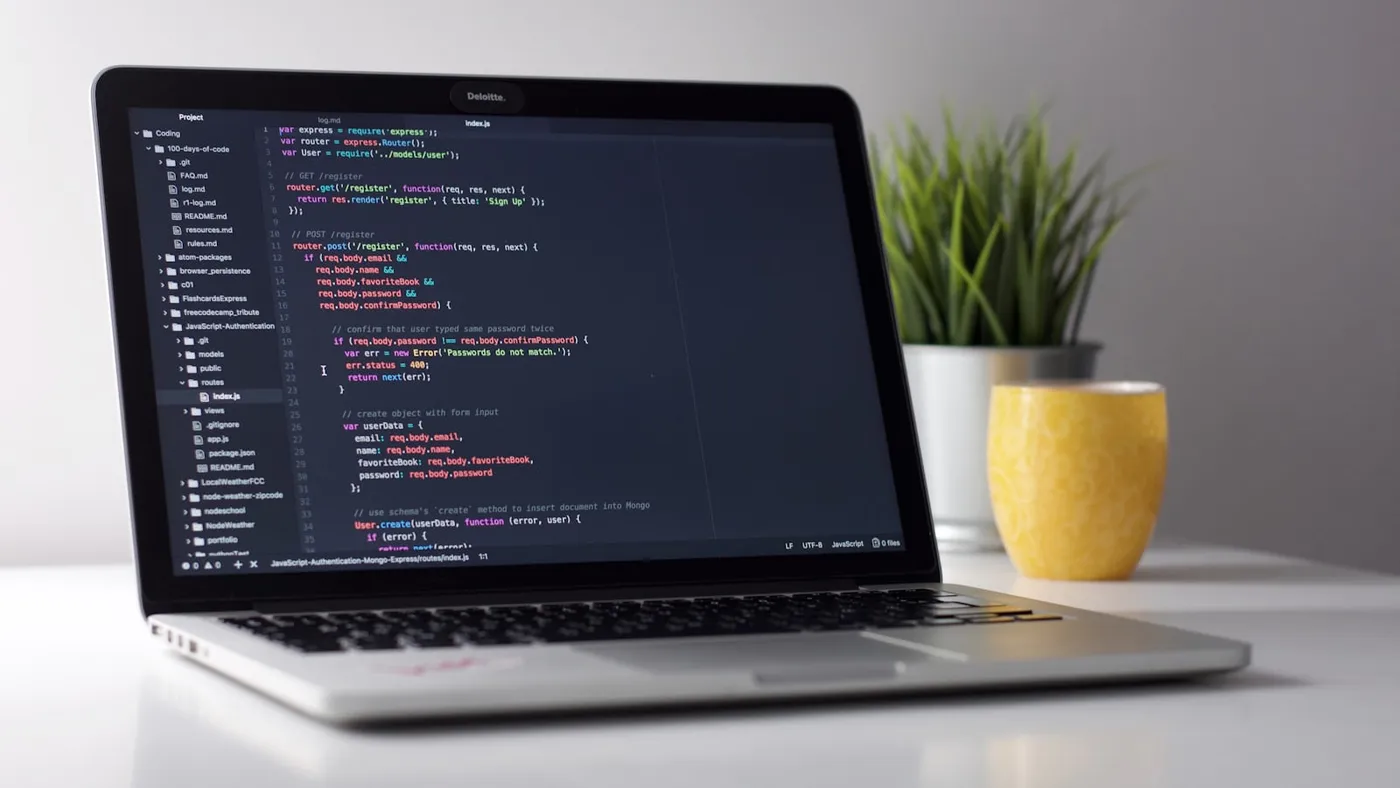
Custom builds are most valuable when the site needs to support functionality that goes well beyond a conventional marketing website. That might include complex workflows, user-specific dashboards, unusual data relationships, proprietary logic, advanced permission systems, or deep product behaviors that would be awkward or fragile inside a CMS framework.
In those cases, custom development is not about prestige. It is about fit. A custom system can be cleaner and more resilient when the core use case is genuinely bespoke.
4. Custom development gives more control, but demands more discipline
With a custom stack, the business can shape architecture, workflows, and interfaces more precisely. But that flexibility comes at a cost. More engineering decisions need to be made. More long-term maintenance responsibility exists. More internal clarity is required. If the business does not have the right technical support or ongoing roadmap discipline, custom can become burdensome quickly.
That is why custom development is not automatically the more mature decision. It is the better decision only when the business truly benefits from that extra control.

How growing businesses should evaluate the choice
5. Start with the real job of the website
Before comparing technologies, define what the website is actually supposed to do. Is it primarily a service marketing site? Is it a content engine? Is it a lead-generation system? Is it the front door to a product or application? Does it need unusual workflows? Does the internal team need to update it frequently? The clearer the website’s real job, the easier the platform decision becomes.
For many service-led businesses, the answer points strongly toward WordPress because the core need is not bespoke engineering. It is effective communication, publishing, trust, and conversion.
6. Consider content operations, not just build requirements
Businesses often spend too much time evaluating how the site gets built and not enough time evaluating how the site gets used after launch. Who will publish? Who will update service pages? Who will refine CTAs? Who will add articles and case studies? Who will manage structure over time? These questions matter because the operational reality of the site may last much longer than the initial project.
That is one reason platform choice should connect to broader thinking around content marketing for service businesses. If content plays a serious role in growth, the CMS experience matters more than many teams first realize.

7. Budget should include long-term change cost, not just launch cost
A cheaper launch can become expensive if every small change later requires technical intervention. On the other hand, a more expensive custom build may still be worth it if it prevents future bottlenecks in a genuinely complex business. The point is to think in total cost, not just starting cost.
Growing businesses should ask how expensive content changes, layout refinements, new sections, integrations, and campaign launches will be six or twelve months later. That is often where the better platform choice becomes clearer.
8. Speed to launch can be a competitive advantage
Sometimes the best platform is the one that gets the business into the market faster with a strong enough foundation. If WordPress allows the company to launch a clear, effective, flexible site sooner, start generating leads, and improve iteratively, that can create more value than spending months building a custom system that exceeds the current need.
This is especially relevant for companies still refining offer clarity, conversion flow, or messaging. In that stage, better iteration speed can matter more than deeper engineering control.

Where WordPress often wins for growing businesses
- Service-led websites with strong content needs.
- SEO-driven acquisition strategies.
- Teams that need marketing autonomy.
- Businesses that want faster launch cycles.
- Companies that value easier updates and lower editorial friction.
In these cases, WordPress often gives the best balance of flexibility and practicality. This is also consistent with what matters in how to evaluate a web design agency: the right solution is the one that fits the business model, not the one that sounds most sophisticated.

Where custom development often wins
- Highly bespoke product logic.
- Advanced workflows and permissions.
- Unique user states or app-like behaviors.
- Infrastructure decisions that demand deeper architectural control.
- Businesses with strong engineering capacity and clear technical roadmaps.
If these conditions are not central to the website, custom development may be more effort than value.
9. The wrong choice is often overbuilding too early
One of the most common mistakes growing businesses make is building for imagined future complexity instead of current commercial reality. Overbuilding feels strategic, but it often delays launch, increases cost, and creates systems the business is not yet ready to use well. A strong, flexible WordPress setup can often support growth much longer than people assume.
This is similar to the broader lesson in ongoing website maintenance for service businesses: the site should evolve responsibly over time instead of becoming a burden through avoidable complexity.
How to keep homepage linking strong without losing relevance
The homepage remains a natural hub in a platform comparison article because readers may want to step back into the wider brand story, service approach, or agency positioning before deciding what kind of build partner to work with. That is why it makes sense to connect naturally to the main Dika homepage, the agency homepage, the service website home, the main brand overview, and the core homepage experience while also using deeper internal links where topic relevance is stronger.
The goal is not to force homepage links. The goal is to keep them useful while still prioritizing the most relevant supporting pages.

Final takeaway
WordPress vs custom development is not a debate about which option is more serious. It is a decision about which option best matches the real needs of the business. For many growing service brands, WordPress is the stronger choice because it supports faster launch, easier publishing, better marketing agility, and lower operational friction. For businesses with truly bespoke product logic or deeper engineering needs, custom development may absolutely be the right path.
The smartest decision comes from looking at the website’s actual job, the team’s operational reality, the true level of complexity, and the long-term cost of change. When businesses choose from that perspective, they usually avoid both underbuilding and overbuilding.

Frequently asked questions
Is WordPress good enough for a growing business?
In many cases, yes. For service-led and content-driven businesses, WordPress is often more than enough and can support significant growth when structured well.
When should a business choose custom development?
Custom development makes the most sense when the website needs highly specific workflows, advanced product logic, unusual permissions, or complex app-like behavior.
Is custom development always more scalable?
Not automatically. It gives more architectural control, but it also requires more engineering discipline, maintenance, and planning. Scalability depends on fit and execution, not just on being custom.
What is the biggest mistake in this decision?
Overbuilding too early is one of the most common mistakes. Many businesses choose custom complexity before the business actually needs it.
Does WordPress limit SEO or content growth?
No. For many businesses, WordPress is actually a strong platform for SEO and content operations because it makes publishing, structure, and optimization easier to maintain over time.